

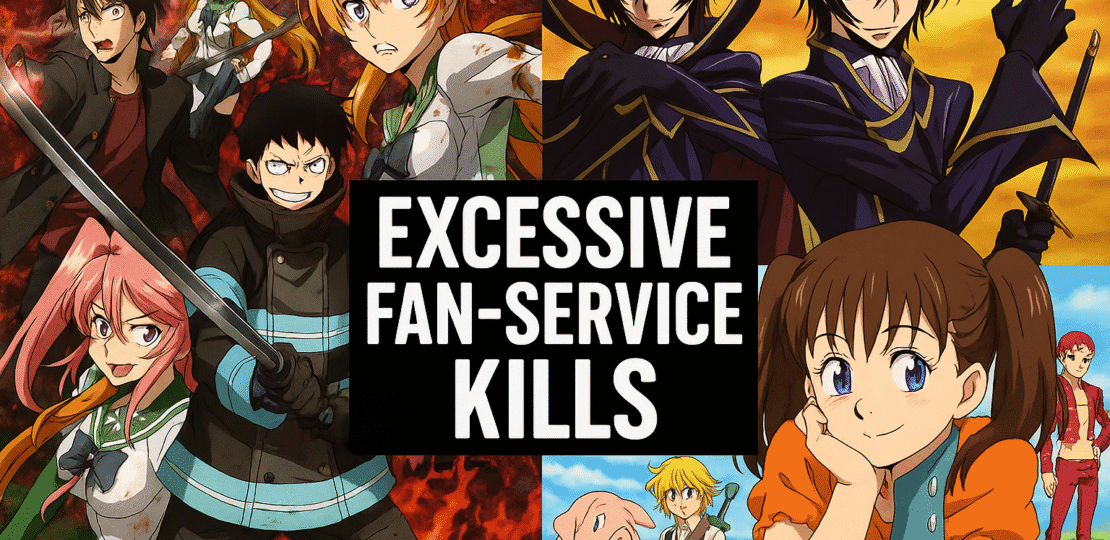
The Double-Edged Sword of Fanservice in Anime
Before diving into the list, it’s worth examining why fanservice can be so destructive. Anime as a medium thrives on visual storytelling, blending high-octane action with profound themes. However, when fanservice dominates, it can shift focus from the plot to superficial elements. For instance, a intense battle scene interrupted by a gratuitous upskirt shot not only breaks immersion but also risks alienating viewers who prioritize narrative integrity. This issue is amplified in series targeting broader audiences, where such content can feel out of place and even offensive.
Historically, anime has evolved from niche otaku entertainment to a global phenomenon, with platforms like Crunchyroll and Netflix exposing it to diverse demographics. Yet, persistent fanservice in non-ecchi genres often stems from market pressures, aiming to boost sales through merchandise or appeal to specific fanbases. The downside? It can lead to poor reviews, reduced word-of-mouth promotion, and ultimately, a series’ downfall. As we’ll see, each of these 8 animes had the potential for greatness but stumbled due to this imbalance.
1. Fire Force

Fire Force burst onto the scene with a unique premise: in a world where spontaneous human combustion turns people into fiery infernals, a special firefighting team battles the flames while uncovering a larger conspiracy. Created by Atsushi Ohkubo, the mind behind Soul Eater, the series boasts stunning animation, lovable characters, and a compelling mystery involving religion, science, and superpowers. The action sequences are particularly praised for their fluid choreography and creative use of pyrokinetic abilities.
However, the show’s reputation took a hit due to relentless fanservice, primarily centered on the character Tamaki Kotatsu. Her “lucky lecher lure” ability—a contrived plot device that causes her to end up in compromising positions—interrupts crucial moments, such as high-stakes fights or emotional revelations. These scenes, often played for comedy, come across as forced and repetitive, pulling viewers out of the immersion. Despite the series’ initial success and a strong ensemble cast including protagonists Shinra Kusakabe and Arthur Boyle, the backlash was intense. Many fans dropped the show early, citing how the fanservice undermined the tension and made it hard to recommend. Even though later seasons toned it down slightly, the damage was done, leaving Fire Force as a prime example of a visually spectacular anime hampered by poor creative choices.
2. The Seven Deadly Sins
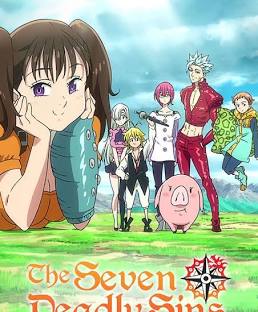
Inspired by Arthurian legends, The Seven Deadly Sins follows a group of knights framed for treason as they seek to clear their names and protect their kingdom. The series shines with its well-developed characters, epic battles, and themes of redemption and friendship. Female characters like Elizabeth and Diane are portrayed with agency and depth, making the story engaging for a wide audience.
Unfortunately, the abundance of fanservice—ranging from Meliodas’ creepy groping antics to revealing outfits and suggestive jokes—objectifies these same characters, contradicting their strong portrayals. This becomes especially jarring in serious arcs, where tasteless gags disrupt the narrative flow. Viewers often express discomfort, noting that it makes the series hard to finish despite its gripping plot. The controversy has contributed to a decline in the franchise’s popularity, with many feeling the fanservice throws away the potential for a more mature, respected shonen tale.
3. Fairy Tail
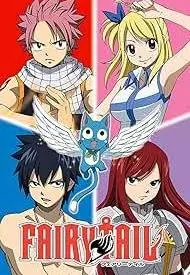
Fairy Tail is a fantasy epic about a guild of wizards embarking on magical adventures, filled with themes of camaraderie, growth, and overcoming adversity. With a massive cast including Natsu Dragneel and Lucy Heartfilia, the series delivers thrilling fights, heartfelt moments, and a sense of wonder through its dragon-slaying lore and guild rivalries.
Yet, its overuse of fanservice—random ecchi gags, skimpy attire, and immersion-breaking humor—has been a major point of criticism. These elements appear far too frequently for a shonen anime, killing tension during pivotal plot points and annoying fans who appreciate the story’s emotional core. Once a highly popular series, Fairy Tail’s reputation has waned, with many citing the fanservice as a key factor in its perceived decline from must-watch status.
4. Sword Art Online

Sword Art Online revolutionized the isekai genre with its virtual reality premise: players trapped in a deadly game must fight to escape. The series explores themes of technology, relationships, and survival, with strong romance elements between Kirito and Asuna.
However, from the first season onward, fanservice dominates through harem tropes, objectification of female characters, and uncomfortable scenes. This degrades the story’s quality, making it infamous for wasted potential. The backlash has grown with each addition to the franchise, turning what could have been a landmark series into a polarizing one that garners as much hate as love.
5. Food Wars!

Food Wars! innovatively blends cooking competitions with high-stakes drama, following Soma Yukihira’s journey at an elite culinary academy. The series educates on gastronomy while delivering satisfying character arcs and intense rivalries.
The fanservice gimmick—characters losing clothes in ecstatic reactions to food—becomes repetitive and uncomfortable, occurring in nearly every tasting scene. This hinders the show’s appeal, especially for public viewing, and detracts from its otherwise clever integration of education and entertainment.
6. Darling in the Franxx

Set in a dystopian future, Darling in the Franxx features mecha pilots in paired cockpits exploring identity, relationships, and rebellion. It starts strong with intriguing world-building and character dynamics, particularly around Hiro and Zero Two.
Excessive fanservice, including over-sexualized designs and precarious relationships, leads to cringeworthy moments that objectify characters. This causes the series to falter, with many viewers reflecting negatively on it despite initial enjoyment.
7. Code Geass
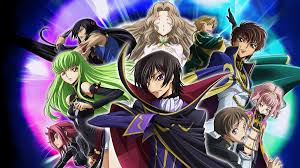
Code Geass is a political thriller about Lelouch vi Britannia’s rebellion against an empire using a mind-control power. It’s acclaimed for its strategic depth, twists, and exploration of morality and power.
Heavy fanservice clashes with these serious themes, making the series hard to take seriously at times. This limits its recommendability, despite its engaging plot and action, as the elements feel out of place in a politically oriented anime.
8. High School of the Dead

This zombie apocalypse tale combines horror with action, following students surviving the undead. It features violent sequences and a gripping premise of societal collapse.
Extreme sexualization of female characters ruins the tension, with fanservice overshadowing the horror elements. This makes the series difficult to watch seriously, turning a potentially thrilling survival story into one criticized for prioritizing pandering over plot.
Broader Implications and Future Trends
The pattern across these series highlights a key challenge for anime creators: balancing appeal with integrity. As the industry globalizes, there’s growing pressure to reduce intrusive fanservice to attract wider audiences. Successful examples like Attack on Titan show that depth without excess can lead to acclaim. Moving forward, studios might prioritize storytelling, potentially revitalizing genres affected by this issue.
In conclusion, while fanservice isn’t inherently bad, its misuse in these animes demonstrates how it can destroy potential classics. Fans continue to debate its role, but the evidence points to moderation as key to sustaining quality.
RELATED POSTS
View all

Demon Slayer Manga Surpasses 200 Million Copies in Circulation
July 24, 2025 | by Vanitas
Kabaneri of the Iron Fortress: The Forgotten Masterpiece That Still Hits Hard
July 30, 2025 | by Haku
Omniscient Reader’s Viewpoint Anime: Everything We Know So Far
July 26, 2025 | by Vanitas